How Do I Know If I Am Developing a Dry Socket After an Extraction?
Having a tooth extracted can feel like a big step, especially if you’re already anxious about dental procedures. At Terrace Creek Dental Care, we understand that patients often worry about potential complications like dry socket.
If you’re not sure what symptoms to look for or when to call your dentist, you’re not alone. And we’re here to provide the guidance and reassurance you need. Let’s take a closer look at what dry socket is, how it develops, and how to identify the warning signs so you can stay comfortable and on the path to healing.
What Is Dry Socket and Why Does It Matter?
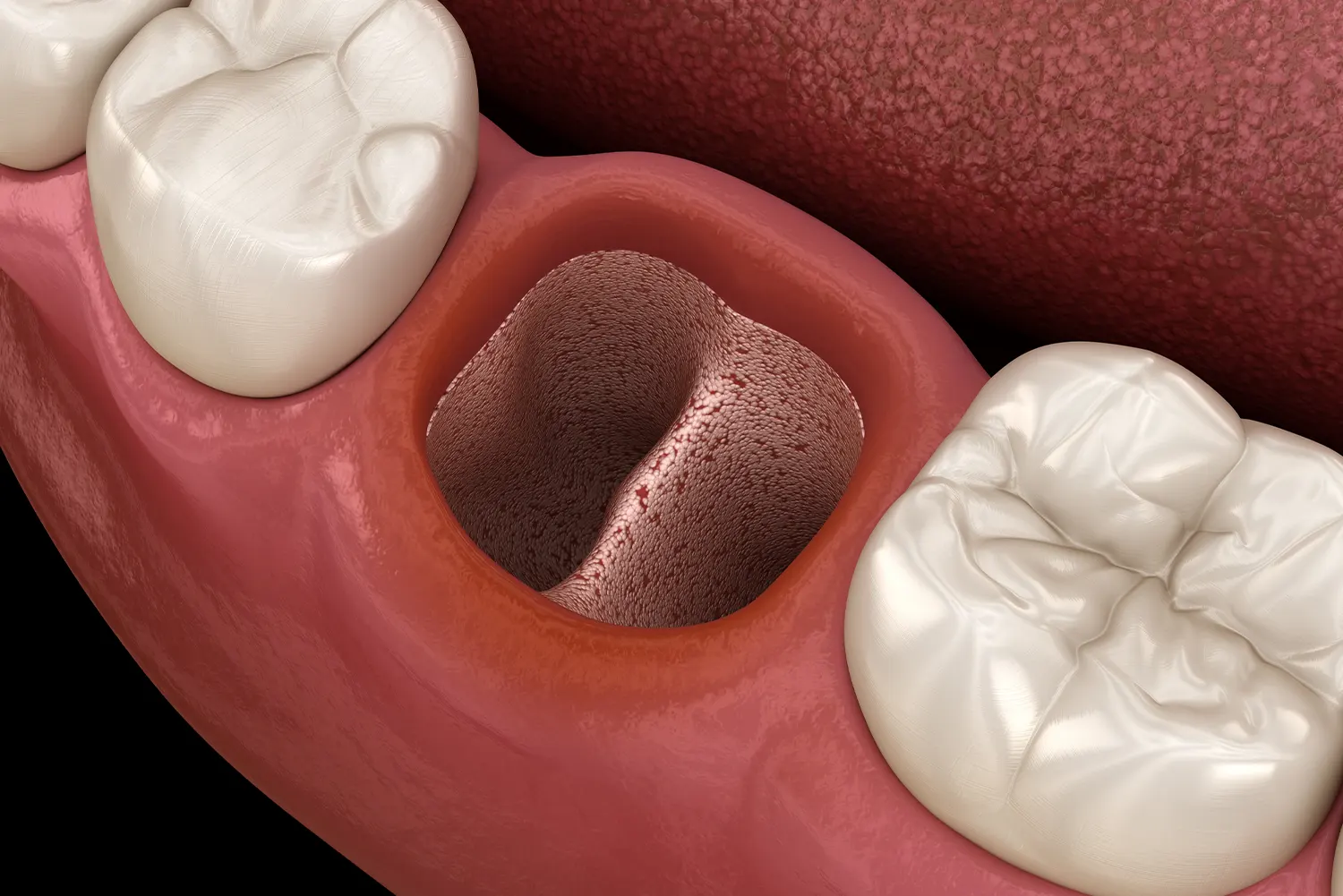
Dry socket, or alveolar osteitis, occurs when the blood clot that normally forms after a tooth extraction is dislodged or fails to develop properly. That clot plays a crucial role in protecting the underlying bone and nerves from exposure. Without it, the sensitive area can become irritated, leading to increased pain and the potential for infection.
Dry socket isn’t a common complication, and only occurs in about 2-5% of extractions. It’s more likely after the removal of certain teeth, such as wisdom teeth. Knowing the signs early can help you avoid unnecessary discomfort and ensure your recovery stays on track. At Terrace Creek Dental Care, we prioritize patient education, so you feel empowered and confident during the healing process.
Common Symptoms of Dry Socket: How to Recognize It
If you’re wondering whether your discomfort after an extraction is part of normal healing or something more concerning, here are the signs of a potential dry socket to watch for:
- Severe pain: Pain that worsens a few days after the extraction and extends to your ear, eye, temple, or neck could point to a dry socket.
- Visible bone: If you notice exposed bone at the extraction site, this is a telltale sign of dry socket.
- Bad breath or taste: Foul odor or an unpleasant taste in your mouth may indicate infection.
- Swelling or redness: While mild swelling is normal, significant inflammation paired with other symptoms should be addressed right away.
If you suspect you might be developing a dry socket or have concerns about your recovery, reaching out sooner rather than later is key. Our kind and knowledgeable team, led by Dr. Kathryn Jagow, is ready to assess your symptoms and provide same-day guidance or treatment if needed. Relief is closer than you think. Just call our Mountlake Terrace, WA office at (425) 776-2323.
What Causes Dry Socket? Understanding the Risk Factors
While dry socket can happen to anyone, several factors may increase the risk:
- Smoking: Tobacco use can interfere with healing and increase the risk of dislodging the protective blood clot.
- Oral hygiene: Poor oral care or rinsing too vigorously during recovery may disturb the clot.
- Hormones: Women using hormonal birth control may have a slightly higher risk due to estrogen’s impact on healing.
- Trauma to the extraction site: Using straws, eating hard foods, or extensive probing of the area can remove the clot prematurely.
At Terrace Creek Dental Care, we take proactive steps to minimize these risks. Dr. Kathryn Jagow provides detailed aftercare instructions tailored to your specific needs, ensuring that you have the tools and knowledge to protect your healing tissue.
Preventing Dry Socket: Tips for a Smooth Recovery
Preventing dry socket begins with careful post-extraction care. Here are some simple tips to help you heal comfortably and avoid irritation:
- Follow aftercare instructions: Carefully follow any directions provided by Dr. Kathryn Jagow, including recommendations for cleaning and pain relief.
- Avoid smoking: Refrain from smoking for at least 48-72 hours to protect the extraction site. Ideally, you should not smoke at all. This is a great opportunity to quit permanently!
- Skip straws: Avoid using straws or anything that creates suction, as this could dislodge the clot.
- Eat soft foods: Stick to soft, cool or lukewarm foods for the first few days to reduce irritation.
- Rest and hydrate: Get plenty of rest and stay hydrated to support your body’s natural healing process.
We understand that recovery can be daunting, but rest assured that we’re here to make your experience as smooth and comfortable as possible. If you have any concerns or questions during your recovery, don’t hesitate to reach out to Terrace Creek Dental Care.
How Terrace Creek Dental Care Supports Your Recovery
At Terrace Creek Dental Care, our entire team is dedicated to helping you feel at ease from start to finish. From the comforting touches of our anxiety-supportive care to personalized recovery plans, we’re here to ensure that every patient feels well cared for.
If you’re nervous about whether you’re healing as expected, our empathetic approach means you’ll never feel rushed or dismissed. With sedation dentistry options available, we also offer added support for managing anxiety during procedures, providing a worry-free foundation for success.
Plus, with our range of affordability options, we’ve made it easier than ever to access the care you need. Whether you’re concerned about dental insurance or exploring our convenient membership plan, we’ll help you find a solution that works for your budget.
Prioritizing Healing and Comfort After Tooth Extractions
Recovering after a tooth extraction doesn’t have to be overwhelming. By recognizing the signs of dry socket and following preventive care, you can enjoy a smoother, more comfortable healing process.
Still, you don’t have to navigate these concerns alone. At Terrace Creek Dental Care, we’re committed to providing calm, anxiety-aware dentistry and personalized treatment that focuses on your unique needs.
If you suspect a dry socket or want peace of mind about your recovery, give us a call today at (425) 776-2323 to speak with our friendly team or schedule an appointment. Your comfort matters to us, and we’re here to help you every step of the way.